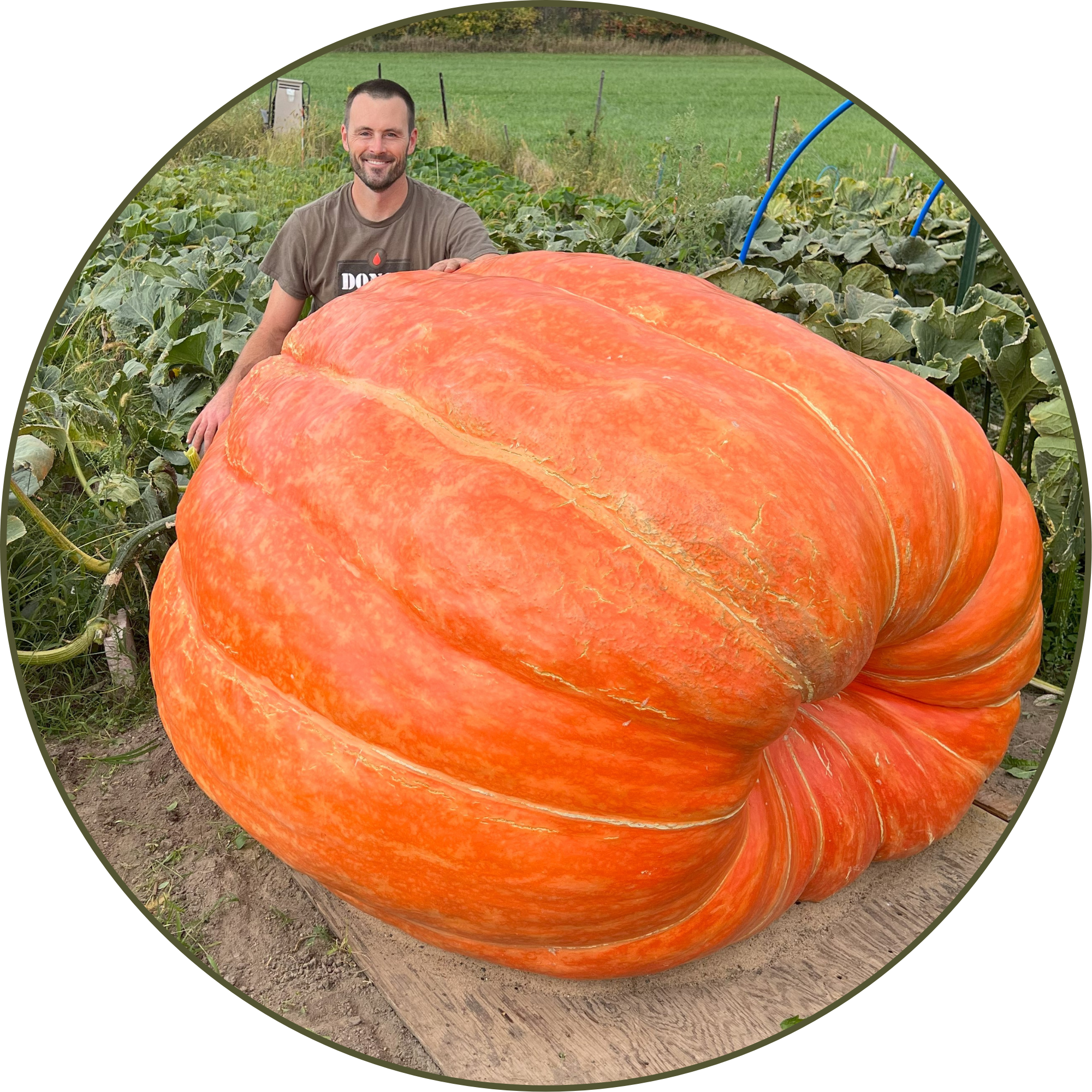
Once you have strong genetics, the next step is properly germinating your giant pumpkin seeds. How you start your seeds can make a big difference in early plant vigor, which ultimately impacts how well your pumpkin performs throughout the season.
Prepare the Seed
Many giant pumpkin growers lightly sand the edges of the seed to help moisture penetrate the hard outer shell and encourage faster germination.
⚠️ Important: Only sand the edges of the seed – do not sand the pointed tip. The tip is where the seedling emerges and damaging it can prevent the seed from sprouting.
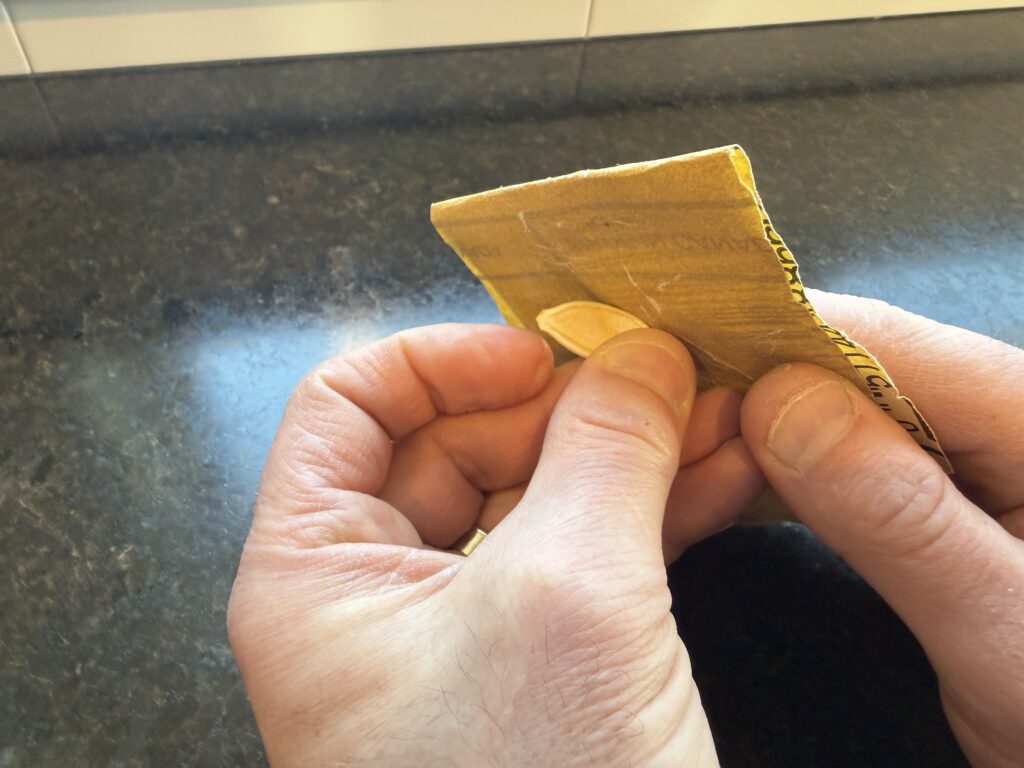
After sanding, soak the seeds in warm water (not hot) for 30–60 minutes to fully hydrate the shell before planting.
Prepare Your Planting Mix
Use a high-quality seed starting mix and moisten it before planting. The soil should be damp enough that you can squeeze it and get just a drop of water but not dripping wet.
For an added boost, mix in a mycorrhizal inoculant. This beneficial fungus helps young roots establish quickly and improves nutrient uptake later in the growing season.
Prepare Your Pots
Use 5-inch peat pots and poke a few extra drainage holes in the bottom and sides. Before filling them, soak the peat pots in water so they don’t pull moisture away from your seedling mix.
Fill the pots with your pre-moistened soil.
Planting the Seed
Plant the seed at about a 45-degree angle with the pointed tip facing down. This position helps prevent the seed shell from sticking to the emerging seed leaves.
Cover gently with soil and place the pot inside a domed seed-starting container to maintain humidity.
Maintain Proper Germination Temperature
Soil temperature is critical when germinating giant pumpkin seeds. Aim to keep the soil between 80–85°F (27–29°C) for best results. At this temperature, seeds typically sprout within 3–5 days.
Most growers use a seedling heat mat to maintain consistent warmth.
My Unique Germination Method
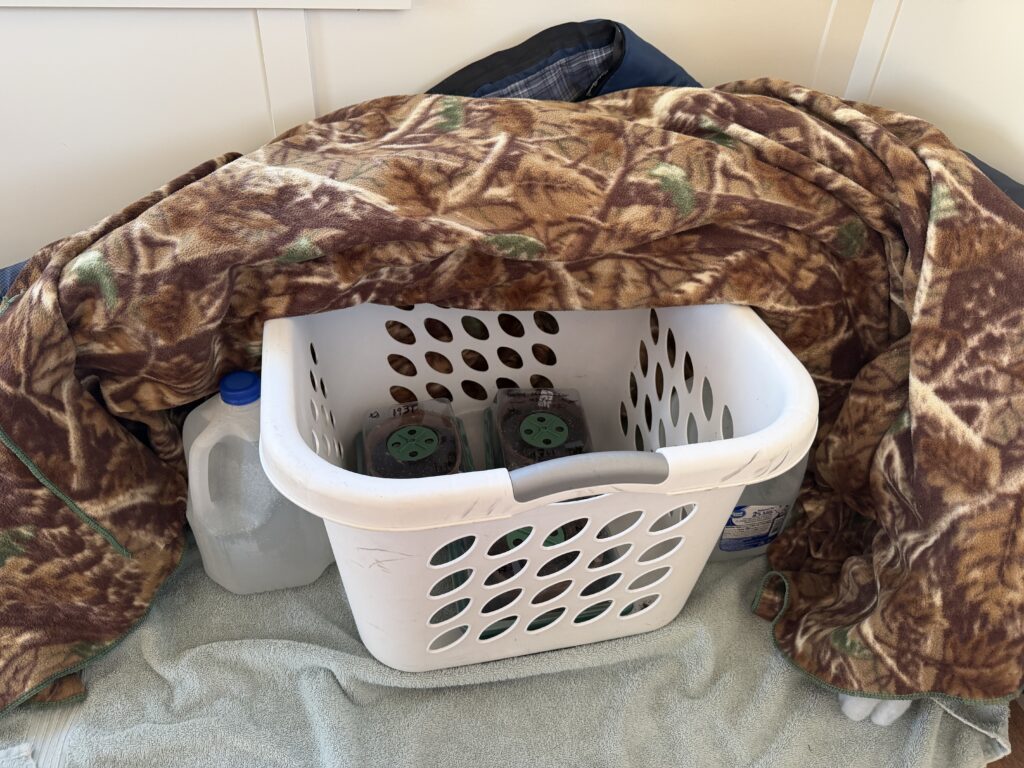
Instead of a heat mat, I use a simple insulated system:
- Place the domed seed containers inside a laundry basket set on a towel
- Put two gallon jugs filled with hot water next to the containers
- Cover everything with a sleeping bag to trap heat
- Replace the hot water a few times per day
This setup holds steady warmth and consistently produces germination in about 3 days.
That said, you can use any safe and reliable heat source. Just focus on maintaining consistent soil temperatures in that 80–85°F range.
As an Amazon Associate I earn from qualifying purchases. This comes at no extra cost to you.
Product | Why I Like It | Purchase |
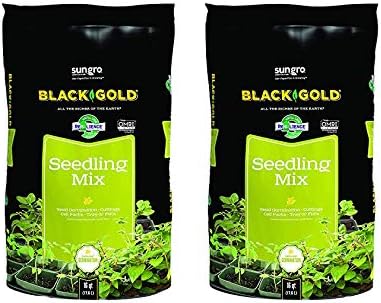
| Seed Starting Mix Great germination results with this mix. It’s light and fluffy, making it ideal for starting seeds, and it holds moisture well without becoming soggy. | ; |
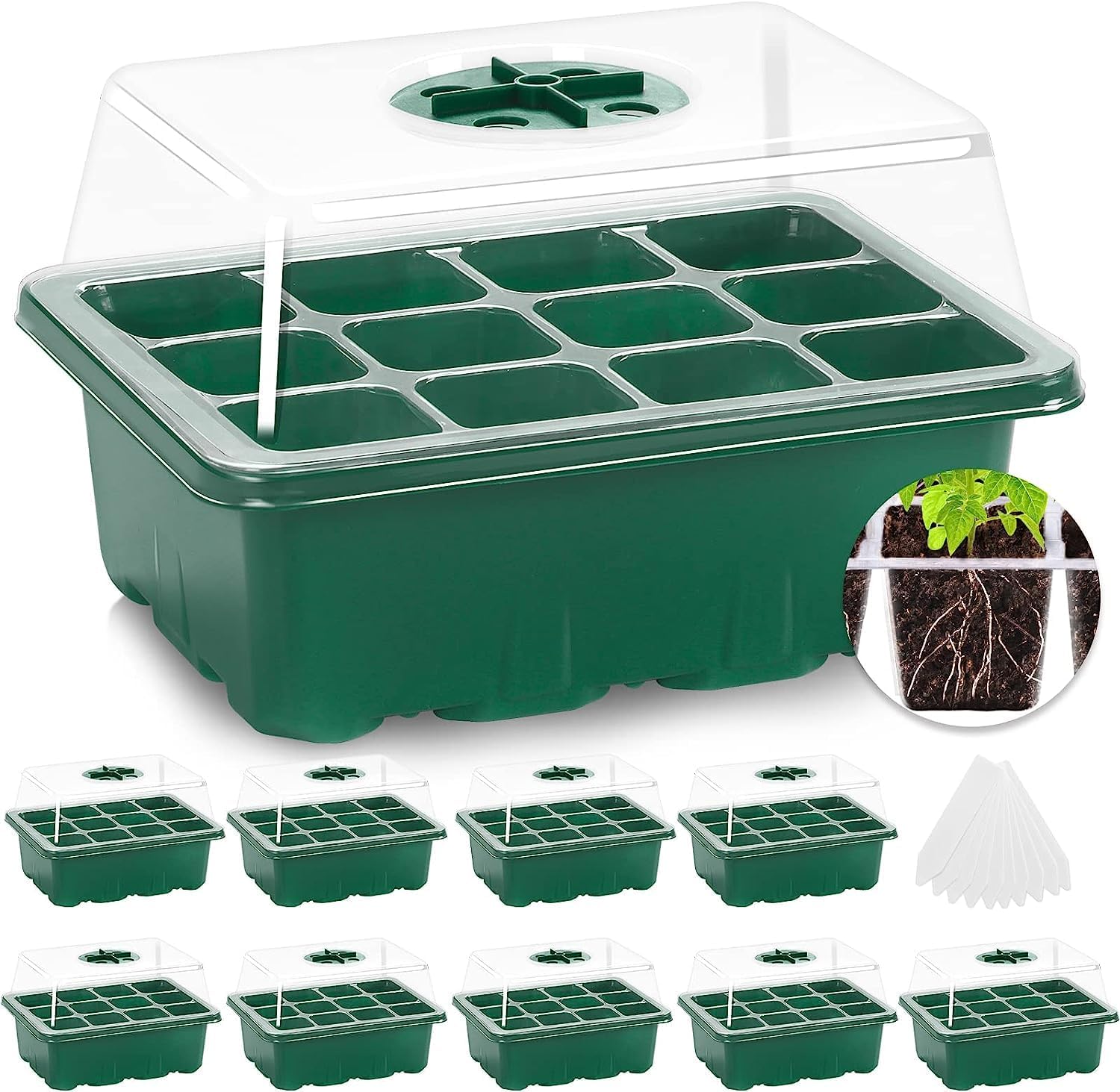
| Domed Seed Starting Trays These trays hold moisture well and have adjustable vents to control humidity. They act like a mini greenhouse to give seeds a strong start. | ; |
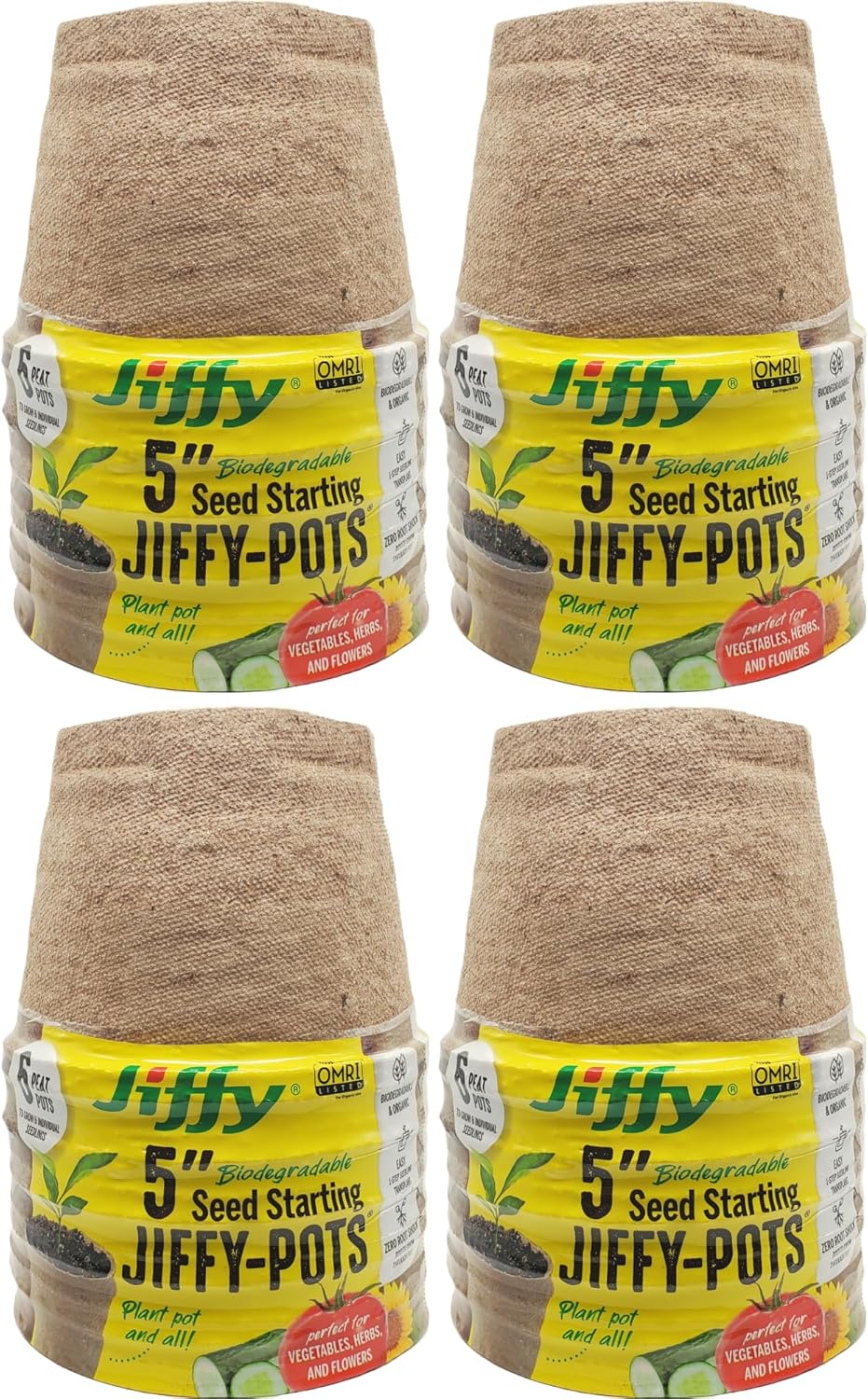
| 5" Peat Pots These 5" peat pots fit perfectly in my domed seed-starting trays. They hold moisture well, and I can easily tear them apart when it’s time to transplant. | ; |
Common Giant Pumpkin Seed Starting Mistakes
Starting giant pumpkin seeds indoors is simple, but a few small mistakes can cost you your entire season. Here are the most common problems I see:
Using the Wrong Type of Soil
Regular garden soil is too heavy and compacts easily. Giant pumpkin seeds need a light, well-draining seed-starting mix that holds moisture without becoming soggy. Dense soil reduces oxygen around the seed and increases the risk of rot before germination.
Getting the Soil Too Wet
Overwatering is one of the fastest ways to kill a giant pumpkin seed. The soil should be moist, not soaked. When soil stays saturated, oxygen levels drop and seeds can rot before they sprout.
A good rule: if water drips when you squeeze the mix, it’s too wet.
Planting Seeds Too Deep
Giant pumpkin seeds should typically be planted about ¾ to 1 inch deep. Planting too deep makes it harder for the seedling to break the surface and can delay or weaken early growth.
Incorrect Temperature
Giant pumpkin seeds germinate best around 80–85°F (27–29°C). Too cold and germination slows dramatically. Too hot and you risk damaging the seed.
Consistent warmth (not fluctuating room temperature) is key during the first 3–5 days.
Inadequate Lighting
Once seedlings emerge, strong light is critical. Weak lighting causes leggy, stretched plants that are prone to breakage and transplant shock.
Bright grow lights positioned just a few inches above the seedlings prevent this problem.
In this video, I walk through each of these mistakes in detail.